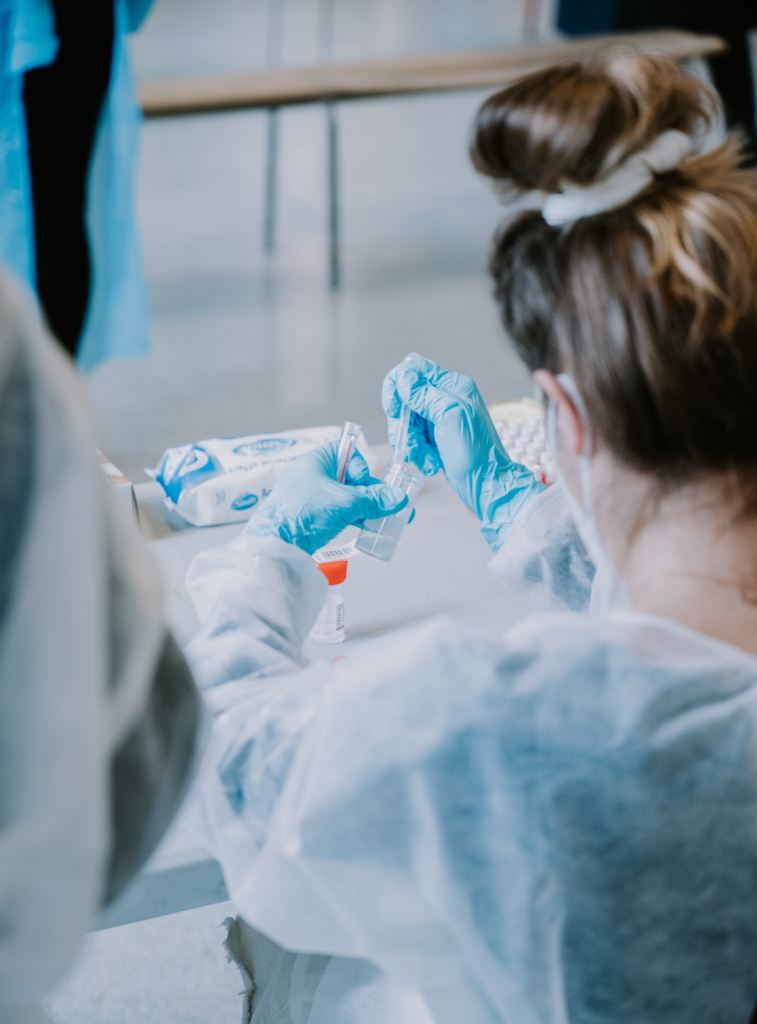
Unsplash.com /photos/search. Nurse drawing up medication .
Mr James had back surgery due to spinal cord injury with bulky dressing to his middle back clean dry and intact.
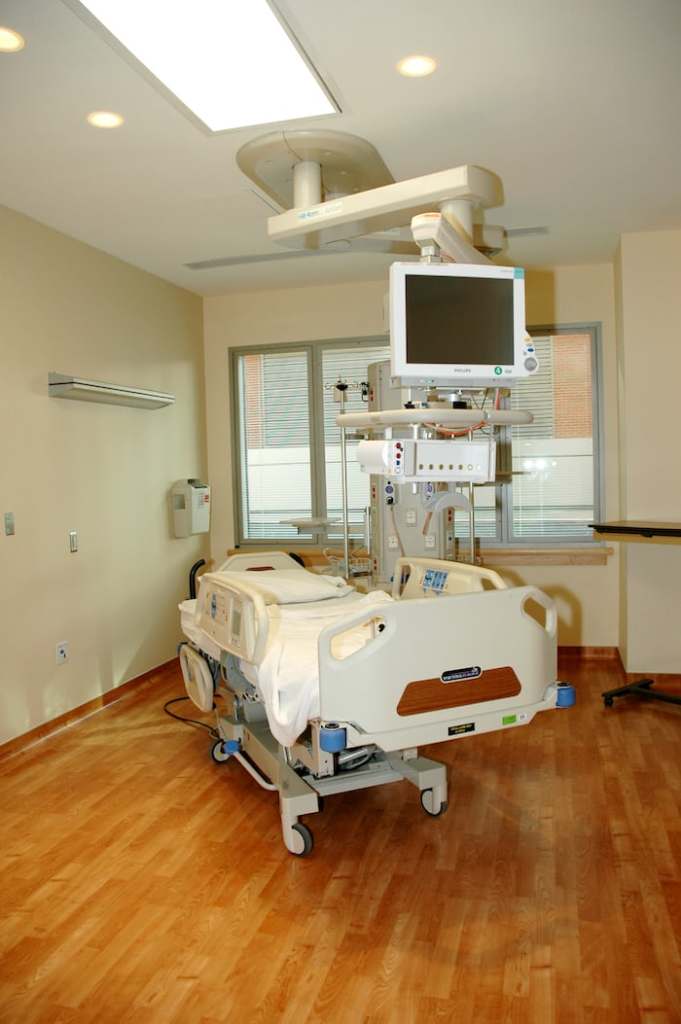
He is on a special bed( bariatic bed) He weighs 290lbs ,5ft 11inches tall.Nurses to assist with repositioning frequently.
The doctor orders :
Vital signs Q4hours and prn.
Morphine sulfate 2mg IV Q4hours prn moderate pain .
Unsplash.com/photos/search.
Morphine sulfate 4mg IVP Q4hours prn severe pain.
Dilaudid 2mg IV Q3hours prn severe pain.
Zofran 4mg IVP Q4hours.
Protonix 40mg IV Q8hours.
0.9N IV via pump at 75ml/hour infusing well 20guage via IV right forearm saline lock.
Vancomycin 1gm IV Q12hours.
Zosyn 3.378gm IV Q8hours.
Foley catheter discontinue in 48hours. PT/OT consult for evaluation and treatment.
Cardiac heart health diet.
Ativan 1gm po Q8hour scheduled.
Ativan 2mg IV Q4hours prn agitation/ restlessness.
The patient calls frequently for intravenous pain medication .The nurse knows that intravenous pain medication is known as the most dangerous route. Which of the following statement is the reason why intravenous route is considered the most dangerous route of medication administration?.
A.The medication is placed directly into the bloodstream and the action is fast since it is intravenous.
B.Inflitration or leakage is usually the problem.
C . Pain Medication should only be given by mouth.
D.Give only if the patient is wide awake and talking with you. He has to be conscious.
Correct answer is. A.
Rationale: Medications act very fast when given intravenously. The intravenous route is direct access into the bloodstream. B,Cand D are wrong answers because rapid effect of the medication is the issue here.
Unsplash.com/photos/search. Nurse drawing up the medication.
 Nurses You Move Me